Iowa's severe weather season runs from late spring through summer, bringing hail, straight-line and derecho winds, and heavy downpours that punish roofs and siding. The best time to prepare is before the first warning, not after. A short pre-season checklist, a hardened roof, and a clear plan for handling damage will protect your home and your wallet when the sky turns green. Here is how to get ready.
What damage do Iowa storms cause to homes?
Iowa sits squarely in the path of powerful summer storm systems, and each type of weather damages homes differently:
- Hail bruises and cracks shingles, dents metal and gutters, and can shorten a roof's life even when damage is not obvious from the ground.
- Straight-line and derecho winds can exceed 100 mph, stripping shingles, tearing off siding, and bringing down limbs and whole trees. The 2020 derecho showed how widespread that damage can be across the state.
- Heavy rain exploits any weak point, backing up behind ice-dam-worn flashing, overwhelming clogged gutters, and finding its way into basements.
Understanding the threats tells you where to focus. In Iowa, the roof and the water path around your home deserve the most attention.
Your pre-season home checklist
Work through this list in spring, before the worst weather arrives:
- Inspect the roof from the ground with binoculars, or hire a pro. Look for lifted, cracked, or missing shingles and damaged flashing around chimneys and vents.
- Clean gutters and downspouts so heavy rain drains away from the house instead of pooling at the foundation.
- Trim trees and remove dead limbs that could fall on the roof or lines in high wind.
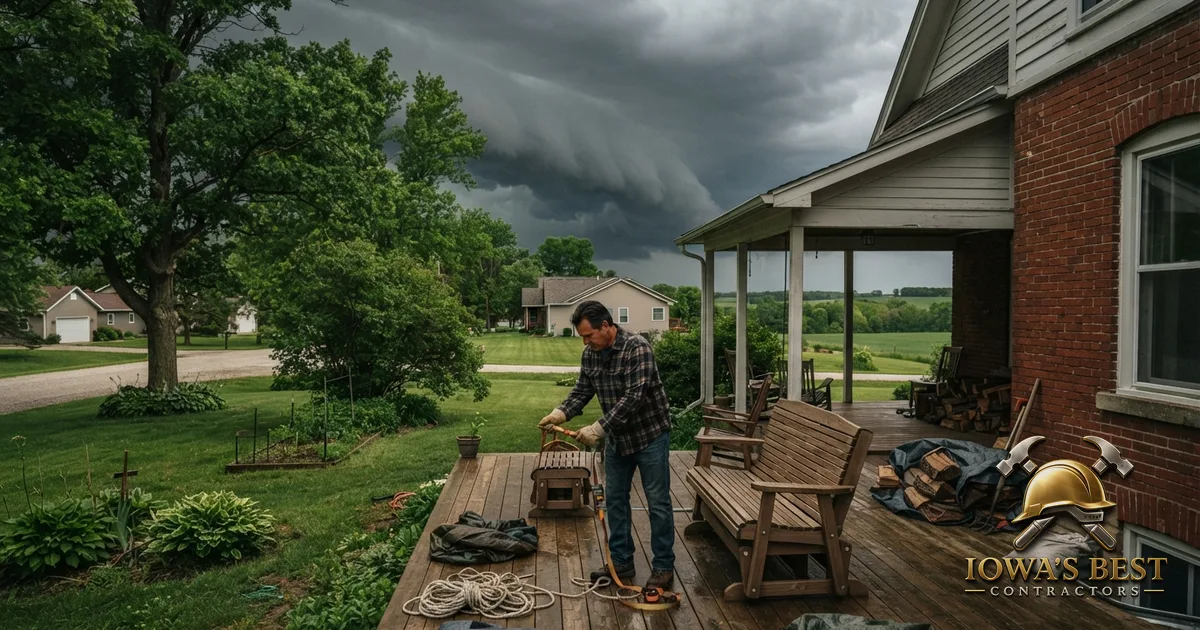
- Secure loose items like patio furniture, trampolines, and grills that become projectiles in a derecho.
- Check siding and seals for loose panels, gaps, and failing caulk around windows and doors.
- Test your sump pump and consider a battery backup; Iowa's heavy summer rains are hard on basements.
- Photograph your home's exterior now, so you have dated "before" images if you ever file a storm claim.
None of these take long, and together they close the gaps storms exploit. If your inspection turns up worn shingles or flashing, address them before storm season rather than during it, and compare pros among our Iowa roofing contractors.
Harden your roof against hail and wind
Your roof is the first line of defense, and a few upgrades pay off during Iowa's storm season. If you are already due for replacement or repair, ask your roofer about:
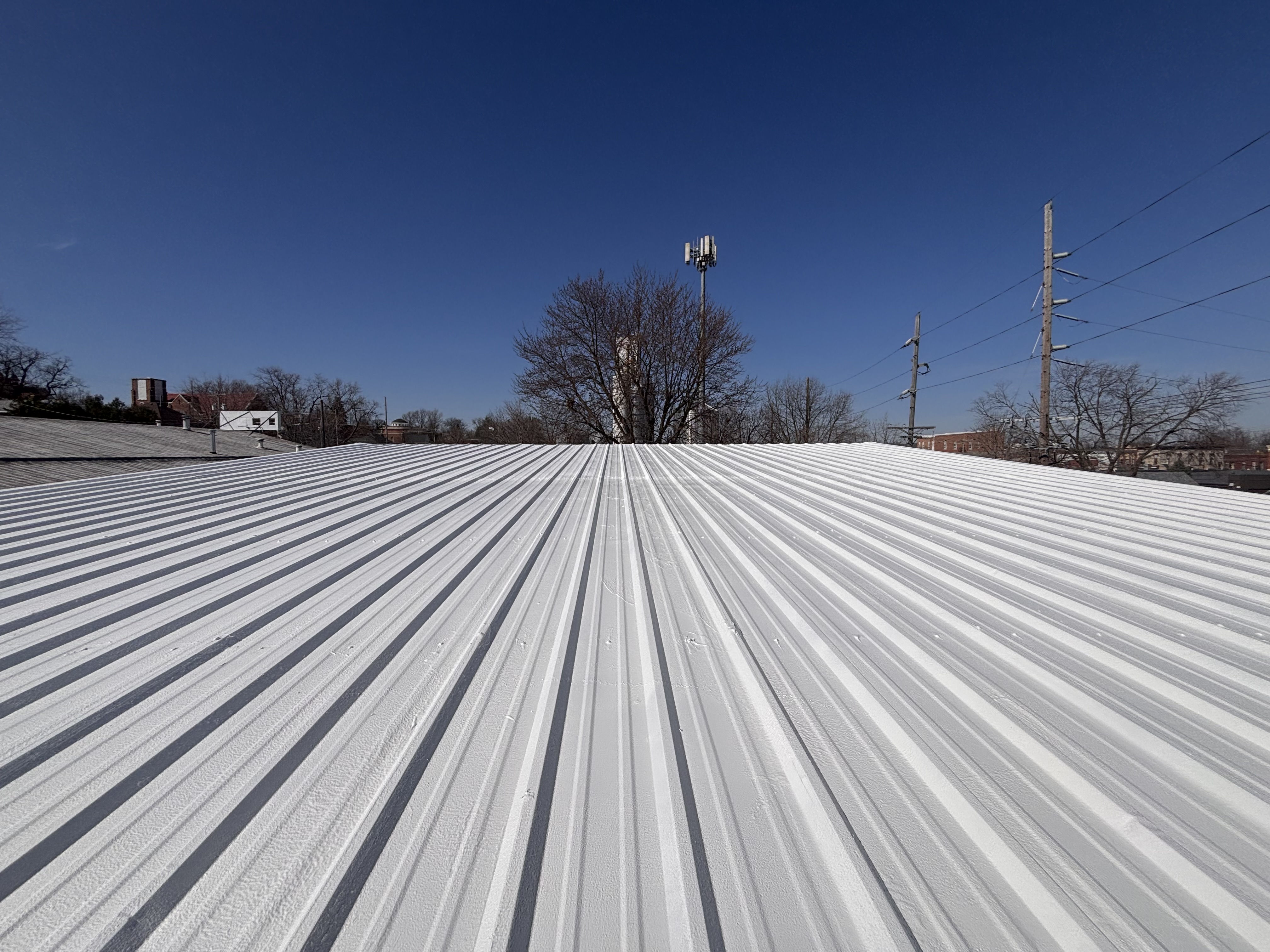
- Impact-resistant (Class 4) shingles, which resist hail bruising and may earn an insurance discount.
- Strong wind ratings, with many quality architectural shingles rated to 110 to 130 mph.
- Ice-and-water shield at the eaves and valleys, which also guards against the winter ice dams that leave your roof more vulnerable by spring.
- Proper attic ventilation and solid flashing, since most storm leaks begin at penetrations and edges.
You do not need to replace a healthy roof to prepare, but if yours is aging or already showing wear, upgrading before the season is smarter than scrambling after a storm when every crew is booked.
What should I do immediately after a storm hits my home?
When severe weather passes, act deliberately, not hastily:
- Check safety first. Stay clear of downed power lines and unstable trees before inspecting anything.
- Document everything. Photograph roof, siding, gutters, windows, and any interior water damage. Your dated "before" photos make this far more convincing.
- Get a professional inspection. Hail damage in particular is easy to miss from the ground. A reputable local roofer can tell you whether you have a real claim.
- File promptly with your homeowner's insurance if the damage is significant. Storm damage from hail and wind is often covered minus your deductible; age-related wear usually is not.
- Make temporary repairs to prevent further damage, like tarping a breach, and keep receipts.
After a big Iowa storm, out-of-state "storm chaser" crews flood affected neighborhoods. Slow down, get a local inspection, and never sign on the spot.
Avoid storm-chaser scams
Every major hail or derecho event draws crews from out of state who knock on doors, pressure homeowners into same-day contracts, and are gone before warranty claims come due. Protect yourself:
- Do not sign under pressure, especially with crews sporting out-of-state plates.
- Be wary of anyone offering to "waive your deductible," which can be insurance fraud.
- Refuse large upfront deposits. A modest deposit is normal; most of the job paid before work begins is not.
- Hire local and registered. Choose an Iowa-registered contractor who will still be here to honor the warranty.
You can confirm a contractor's registration and compare local companies on our directory, where every business appears on Iowa's chapter 91C registration record with no paid placement. In a metro like Cedar Rapids you can narrow straight to Cedar Rapids roofing contractors.
Frequently asked questions
When is storm season in Iowa?
Severe weather peaks from late spring through summer, roughly May through August, though damaging storms can occur outside that window. Prepare in early spring so you are ready before the first warnings.
Does insurance cover hail and wind damage?
Often yes, minus your deductible, when hail or wind causes the damage. Normal age-related wear is usually not covered. Document the damage, get an inspection, and file promptly after the storm.
How do I know if my roof has hail damage?
It is hard to tell from the ground. Look for dented gutters and downspouts, granule loss, and bruised or cracked shingles, then get a professional inspection to confirm before filing a claim.
Should I use the contractor my insurance recommends?
You are free to choose your own contractor. Pick a local, Iowa-registered pro with good references and insurance rather than an out-of-state storm-chaser crew, regardless of who else suggests them.
Get storm-ready with registered pros
A little preparation before the season beats scrambling after the sky clears. If your inspection turns up roof or siding concerns, collect bids from registered contractors or browse registered roofing contractors to line up a trustworthy local pro before the storms hit. Getting ahead of Iowa's storm season protects both your home and your budget.