A new roof in Iowa typically runs somewhere between $8,000 and $22,000 for an average single-family home, with most asphalt-shingle replacements landing in the $10,000 to $16,000 range. The exact number depends on your roof's size, pitch, materials, and how much old roofing has to come off first. Below is a plain-English breakdown so you can budget with confidence and spot a fair bid from an inflated one.
Typical roof replacement cost ranges in Iowa
Roofing is priced per "square" (a 10-by-10-foot area, or 100 square feet). A typical Iowa home has 20 to 30 squares of roof surface. Here is how the common material choices tend to shake out:
- Architectural asphalt shingles: the most popular choice statewide, generally $4.50 to $8.00 per square foot installed. For a 2,000-square-foot roof that is roughly $9,000 to $16,000.
- Three-tab asphalt shingles: a budget option, often $3.50 to $5.50 per square foot, though many homeowners upgrade to architectural for better wind resistance.
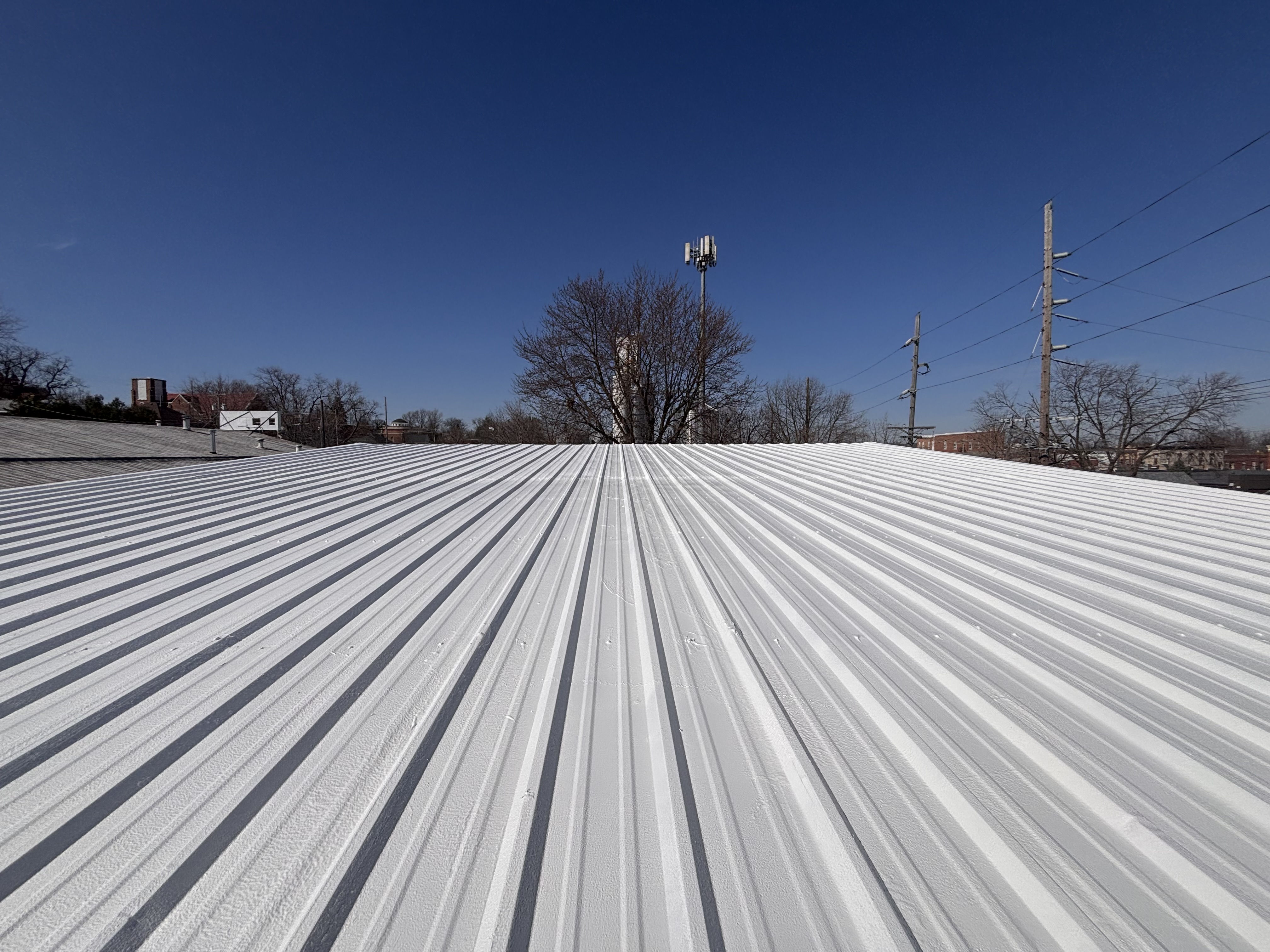
- Metal roofing: $9 to $16 per square foot installed, so $18,000 and up, but with a much longer lifespan.
- Premium products (designer shingles, tile, slate): can push well past $25,000.
These are ranges, not quotes. Costs vary with your specific scope, roof complexity, local labor rates, and material prices, so always get itemized bids.
A new roof in Iowa typically costs between $8,000 and $22,000 for an average single-family home as of July 2026, with most asphalt-shingle replacements falling in the $10,000 to $16,000 range. The final price depends on roof size, pitch, material choice, the number of old layers to remove, and the condition of the underlying decking. Iowa's severe weather (including hail, high winds, and freeze-thaw cycles), makes it essential to choose impact-resistant shingles with strong wind ratings and to install ice-and-water membrane along eaves and valleys. Always compare at least three itemized bids from Iowa-registered contractors, verify insurance coverage, and avoid door-to-door crews pressuring you to sign immediately after a storm.
What factors make a roof replacement more expensive?
Two identical-looking houses can get very different roofing bids. The biggest cost drivers are:
- Roof size and pitch. A steeper roof is harder and slower to work on safely, which raises labor.
- Number of layers to tear off. Removing two old layers of shingles costs more than one, and adds dump fees.
- Decking condition. If the plywood underneath is rotted or soft, it has to be replaced at extra cost, sometimes $2 to $4 per square foot.
- Penetrations and features. Chimneys, skylights, dormers, and valleys all need flashing and detailed work.
- Underlayment and ventilation upgrades. Ice-and-water shield along the eaves and proper ridge venting cost a bit more up front but protect against Iowa's freeze-thaw damage.
Iowa-specific considerations
Iowa roofs take a beating. Summer brings severe thunderstorms, hail, and the occasional derecho with straight-line winds that can strip shingles off in minutes. Winter brings freeze-thaw cycles and ice dams that force water up under the shingles. That climate reality should shape your material and installation choices.
Ask roofers for shingles with a strong wind rating (many quality architectural shingles are rated to 110 to 130 mph) and impact resistance for hail. Insist on an ice-and-water membrane along the eaves and in valleys; it is one of the best defenses against ice-dam leaks during a hard Iowa winter. Good attic ventilation also matters, because it keeps your roof deck colder and reduces ice-dam formation.
If a recent hail or wind storm damaged your roof, your homeowner's insurance may cover much of the replacement. Document the damage, file a claim promptly, and get an independent inspection. Be cautious of out-of-state "storm chaser" crews that appear after big storms; you want a local, Iowa-registered contractor who will be around to honor the warranty.
How to choose a roofing contractor
The lowest bid is rarely the best value. Compare at least three written estimates and look at what each includes, not just the bottom line. A trustworthy roofer will:
- Provide an itemized estimate covering tear-off, decking repair allowance, underlayment, flashing, shingles, cleanup, and warranty terms.
- Carry liability insurance and workers' compensation, and show you proof.
- Be registered with the State of Iowa as a contractor.
You can confirm a roofer's registration and compare local companies on our directory of Iowa roofing contractors. Every business listed appears on the State of Iowa's official registration record under chapter 91C, and we never take payment for placement. Keep in mind that state registration is not a license or an endorsement; it simply confirms the contractor is properly registered to work in Iowa. In a metro like Des Moines you can narrow straight to Des Moines roofing contractors to find companies near you.
Timing your roof replacement
Late spring through fall is prime roofing season in Iowa. Shingles seal best in moderate temperatures, and crews can work safely without ice underfoot. That also means spring and summer are the busiest and sometimes priciest times, especially right after a major hailstorm when demand spikes.
If your roof is not actively leaking, scheduling in early spring or late fall can sometimes mean better availability and pricing. Never let a crew rush you into signing the same day they knock on your door.
Red flags to watch for
- Door-to-door pressure right after a storm, especially from crews with out-of-state plates.
- Large upfront deposits. A modest deposit is normal; paying most of the job before work begins is not.
- No written contract or a refusal to itemize.
- Cash-only deals or offers to "waive your deductible," which can be insurance fraud.
- No proof of insurance or Iowa registration.
Frequently asked questions
How long does a new roof last in Iowa?
Architectural asphalt shingles typically last 20 to 30 years, though Iowa's hail and wind can shorten that. Metal roofs can last 40 to 70 years. Proper ventilation and prompt repairs help you get the full lifespan.
Will insurance pay for my new roof?
If storm damage (hail or wind) caused the failure, your homeowner's policy often covers replacement minus your deductible. Age-related wear is usually not covered. Get an inspection and file promptly after a storm.
How long does a roof replacement take?
Most average Iowa homes are re-roofed in one to three days, weather permitting. Larger or steeper roofs, or jobs needing significant decking repair, take longer.
Do I need permits to replace my roof?
Many Iowa cities require a permit for a full roof replacement. A reputable local contractor will pull the permit as part of the job. Ask who is responsible before signing.
Ready to get accurate roofing bids?
The best way to know your real number is to get multiple itemized quotes from registered local pros. You can collect bids from registered contractors in minutes, or browse registered roofing contractors across Iowa to start your shortlist. A little comparison up front protects both your home and your wallet.