
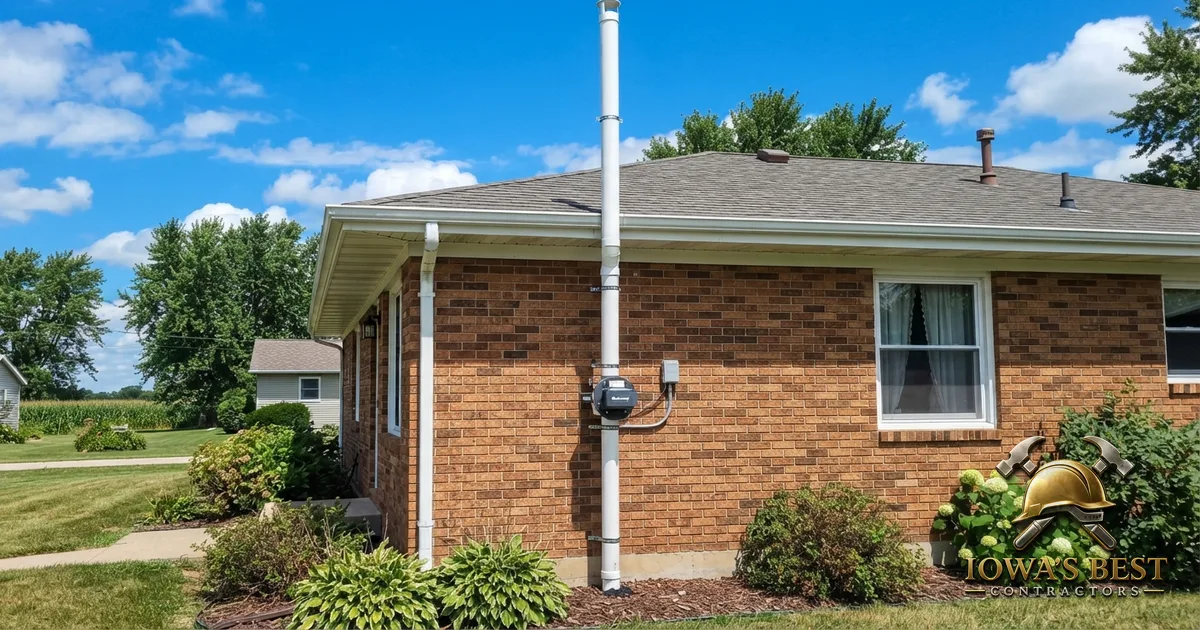
Radon mitigation in Iowa typically involves installing a sub-slab depressurization system that vents radon gas from beneath your foundation to the outdoors. Professional installation costs $1,000 to $2,500 and can reduce radon levels by 90% or more, protecting your family from this naturally occurring carcinogen.
Why Iowa Has Some of the Highest Radon Levels in the Country
Iowa consistently ranks among the states with the highest indoor radon concentrations, and the reason is geological. The glaciers that shaped Iowa's landscape left behind soils rich in uranium and radium, both of which decay into radon, a colorless, odorless radioactive gas. As radon seeps up through the ground, it enters homes through cracks in foundations, sump pits, and gaps around utility penetrations.
The EPA designates most Iowa counties as Zone 1, meaning predicted average indoor radon levels exceed 4 picocuries per liter (pCi/L), the action level at which mitigation is recommended. In some Iowa homes, levels reach 20 pCi/L or higher. Because radon is the second leading cause of lung cancer in the United States, testing and mitigation are not optional luxuries, they are health necessities.
Modern homes, built tight for energy efficiency, can trap radon indoors rather than allowing it to dissipate. Older homes with stone or block foundations are also vulnerable. No matter the age or style of your house, the only way to know your radon level is to test.
How Does Radon Mitigation Work?
The most common and effective radon mitigation method in Iowa is sub-slab depressurization. A licensed contractor drills a small hole through your basement floor or crawlspace, inserts a PVC pipe, and runs it vertically through your home to vent above the roofline. A specialized radon fan, mounted in the attic or outside, creates negative pressure beneath the slab, pulling radon out before it enters your living space and exhausting it safely into the open air.
For homes with crawlspaces, the contractor may install a vapor barrier over the soil and use a similar fan-and-vent system. In rare cases where sub-slab systems are impractical, contractors use drain-tile suction (if your home has perimeter drains) or block-wall suction for hollow masonry foundations.
As of August 2026, sub-slab depressurization remains the gold standard for radon mitigation in Iowa homes, reducing indoor radon levels by 90% or more in most installations. The system operates continuously with minimal energy use (typically 50 to 150 watts), and requires little maintenance beyond periodic fan checks. Properly installed systems can last 15 years or longer, making them a cost-effective, permanent solution to a serious health risk that affects thousands of Iowa families.
After installation, the contractor conducts a post-mitigation test to confirm radon levels have dropped below 4 pCi/L. Many systems bring levels down to 1 pCi/L or lower. The fan runs 24/7, using about as much electricity as a standard light bulb.
What to Expect When Hiring a Radon Mitigation Contractor
In Iowa, radon mitigation contractors do not need a state-issued license, but many hold voluntary certifications from the National Radon Proficiency Program (NRPP) or the National Radon Safety Board (NRSB). These credentials indicate training in proper system design and installation. When you search Iowa's directory of state-registered contractors, look for professionals who list radon mitigation among their services and ask about certification.
A reputable contractor will:
- Inspect your home's foundation type and existing radon test results
- Explain the recommended system design and where the vent pipe will exit
- Provide a written estimate covering labor, materials, and post-mitigation testing
- Pull any required permits (rules vary by city)
- Install a manometer, a simple U-tube gauge that shows the system is working
- Conduct a follow-up radon test 24 to 48 hours after activation
Typical costs range from $1,000 to $2,500, depending on home size, foundation complexity, and whether multiple suction points are needed. Homes with finished basements or difficult access may cost more. Get at least two bids and ask for references from recent Iowa clients.
Do You Need to Test for Radon First?
Yes. The EPA and Iowa Department of Public Health recommend testing every home, regardless of age or location. Short-term radon test kits (2 to 7 days) are available at hardware stores and online for under $20. For more accurate readings, use a long-term test (90 days or more) or hire a certified radon measurement professional.
If your test result is 4 pCi/L or higher, mitigation is recommended. If it is between 2 and 4 pCi/L, the EPA suggests considering mitigation, especially if you plan to stay in the home long-term. Even low levels of radon exposure carry some risk.
Real estate transactions in Iowa often include radon testing as a contingency. If a home tests high, buyers typically negotiate for the seller to install a mitigation system or credit the cost at closing. Installing a system before listing can make your home more attractive and avoid delays.
Maintaining Your Radon Mitigation System
Once installed, radon mitigation systems require minimal upkeep. Check the manometer every few months to confirm the system is creating suction, if the fluid levels are even, the fan may have failed. Listen for the fan's hum; if it stops, call your contractor. Most fans carry a 5-year warranty and can be replaced without reinstalling the entire system.
Retest your home every two years, or after any major renovations that affect the foundation. Kits are inexpensive, and retesting confirms your system continues to work effectively. If radon levels creep back up, a contractor can adjust the system or add suction points.
Iowa winters can be harsh, but radon systems are designed to operate year-round. The vent pipe must extend above the roofline and away from windows to prevent exhaust from re-entering the home. Snow and ice do not affect system performance, though you should keep the exterior fan housing clear of debris.
---
Radon is a serious but solvable problem in Iowa. If you have not tested your home, start there. If you need mitigation, search Iowa's contractor directory by county to find state-registered professionals near you who can design and install a system that protects your family for years to come.
Frequently asked questions
Why does Iowa have such high radon levels?
Iowa sits atop glacial soils rich in uranium and radium, which decay into radon gas. The state's geology, combined with tight home construction that traps gas indoors, creates some of the highest residential radon readings in the nation. The EPA classifies most Iowa counties as Zone 1, meaning elevated radon is expected.
How much does radon mitigation cost in Iowa?
Most Iowa homeowners pay between $1,000 and $2,500 for a professionally installed radon mitigation system, depending on home size, foundation type, and system complexity. Systems with multiple suction points or difficult installations may cost more. The investment protects long-term health and is often required for real estate transactions.
Do I need a permit to install a radon mitigation system in Iowa?
Permit requirements vary by city and county in Iowa. Many jurisdictions do not require a permit for radon mitigation, but some do, especially if electrical work is involved. Your contractor should know local rules and pull any necessary permits as part of the installation.