
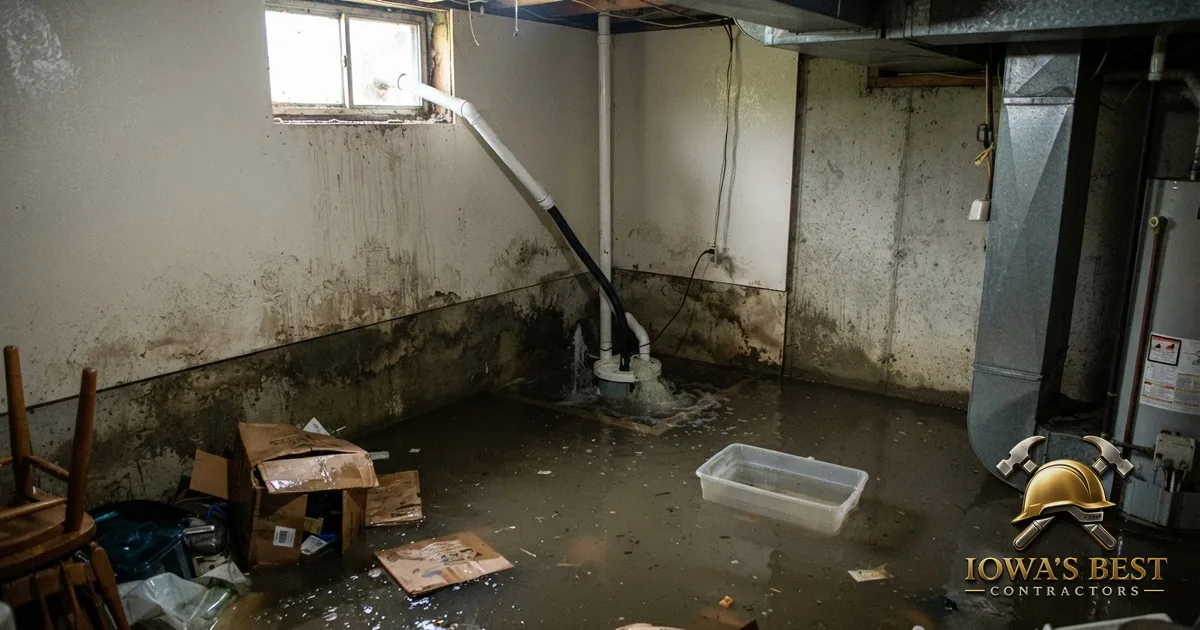
Stop the water source if safe, shut off electricity to the basement, document damage with photos, remove standing water with a pump or wet-vac, and contact your insurance company immediately. Call a registered plumber for pipe breaks or a waterproofing contractor for seepage and foundation issues.
What Should I Do Immediately After My Basement Floods?
Shut off electricity to the basement at your main breaker if you can reach it safely without stepping in water. If the breaker panel is in the flooded area, call your utility company to disconnect power. Do not enter standing water while electricity is on. Once it's safe, take photos and video of all damage for insurance documentation before you move or remove anything. Locate the water source (a burst pipe, sump pump failure, foundation crack, or storm overflow), and stop it if possible. For a broken pipe, shut off your main water valve. If it's a sump pump issue and you have a backup, switch to that or rent a portable pump. Remove standing water as quickly as you can using a submersible pump, wet-vac, or by bailing if the volume is small. The faster you dry things out, the less secondary damage you'll face.
Call your homeowners insurance company right away, even if you're not sure coverage applies. They'll send an adjuster and guide you on what you can do before they arrive. Don't throw out damaged items until the adjuster has seen them, but do move valuables to dry ground and start ventilating the space.
As of September 2026, Iowa homeowners facing basement flooding should immediately cut power to the affected area, document all damage with photos, remove standing water within 24 hours to prevent mold, and contact both their insurance carrier and a state-registered plumber or waterproofing contractor depending on the source. Speed and proper contractor selection determine whether you're looking at a few thousand dollars in repairs or tens of thousands in structural and mold remediation down the line.
What Causes Basements to Flood in Iowa?
Iowa's clay-heavy soils, intense spring rains, and rapid snowmelt create the perfect conditions for basement water problems. The most common causes are sump pump failures during heavy storms, foundation cracks that let groundwater seep in, clogged or damaged exterior drainage, broken water supply lines, sewer backups during municipal overflows, and poor grading that directs runoff toward your foundation instead of away from it. Older Iowa homes often lack proper waterproofing or have outdated drainage systems that can't handle today's more extreme weather patterns. If your basement has flooded before, the underlying cause likely wasn't fully addressed.
Which Iowa Contractors Should I Call for Basement Flooding?
The right trade depends on what caused the flood. For a burst pipe, leaking water heater, or any plumbing failure, contact a licensed plumber. Iowa licenses plumbers through a real exam, so you're getting someone with verified skills. If the water came from outside (foundation seepage, cracks, or drainage issues), you need a waterproofing contractor or a foundation repair specialist. These trades are registered with the state under Chapter 91C but not licensed, so check references and ask for proof of insurance. For electrical damage, hire a licensed electrician to inspect and repair any wiring, outlets, or panels that got wet. If you're dealing with significant water extraction and drying, a restoration company (also state-registered) can bring industrial dehumidifiers and air movers. Always verify registration status and get at least three bids before committing to major work.
| Flood Cause | Contractor Type | Iowa Licensing |
|---|---|---|
| Burst pipe, water heater leak | Plumber | Licensed |
| Foundation crack, seepage | Waterproofing/foundation contractor | Registered |
| Sump pump install/repair | Plumber or waterproofing contractor | Licensed or registered |
| Electrical damage | Electrician | Licensed |
| Large-scale drying, mold prevention | Restoration company | Registered |
How Do I Prevent My Iowa Basement From Flooding Again?
Prevention is cheaper than repeated cleanup. Start outside: regrade soil so it slopes away from your foundation, extend downspouts at least six feet from the house, and keep gutters clean. Inside, install or upgrade your sump pump, consider a battery backup system for power outages during storms, which is when you need it most. Seal foundation cracks with hydraulic cement or epoxy injection, and apply waterproof coatings to walls if seepage is chronic. A licensed plumber can install a backwater valve on your sewer line to prevent municipal backups from pushing sewage into your basement. For persistent problems, an exterior drainage system (French drain or exterior waterproofing membrane) is the most effective long-term fix, though it's also the most expensive. A qualified waterproofing contractor can assess your specific situation and recommend the right combination of solutions. Don't skip maintenance, test your sump pump every few months, especially before Iowa storm season, and replace it every seven to ten years.
What Does Basement Flood Cleanup and Repair Cost in Iowa?
Costs vary wildly depending on the source, the volume of water, and how long it sat. Pumping out standing water and basic drying might run a few hundred to a couple thousand dollars if you catch it fast. If drywall, insulation, or flooring is ruined, you're looking at several thousand more for demolition and replacement. Foundation crack repair typically costs $500 to $3,000 per crack depending on severity and method. A full exterior waterproofing system with drainage can run $5,000 to $15,000 or more for an average Iowa basement. Mold remediation, if it gets to that point, adds another few thousand. Sump pump replacement is usually $500 to $1,500 installed. Insurance may cover some or all of this if the cause is a covered peril, but you'll pay out of pocket for maintenance issues or groundwater intrusion unless you have specific flood coverage. Get multiple bids from registered contractors and ask for a detailed scope of work in writing. For help comparing those bids, see our guide on how to get and compare contractor bids.
If you're ready to find a registered plumber, electrician, or waterproofing contractor in your area, search by trade or county on Iowa's Best Contractors. Every contractor on the site is registered with the State of Iowa and meets unemployment insurance and workers' comp requirements. You can also explore basement waterproofing guidance for more details on long-term fixes.
Frequently asked questions
Should I go into my flooded basement right away?
No, not if there's standing water and you haven't shut off the electricity. Water and electricity are a deadly combination. Turn off power at the main breaker if you can do so safely from outside the flooded area, or call your utility company. Only enter once it's electrically safe.
Does homeowners insurance cover basement flooding in Iowa?
Standard homeowners policies typically cover sudden pipe bursts or appliance leaks, but not groundwater seepage or sewer backups unless you have specific riders. Flood insurance through FEMA covers rising water from storms. Read your policy and document everything before cleanup begins.
How long does it take for a wet basement to develop mold?
Mold can begin growing within 24 to 48 hours in damp conditions. Iowa's humid summers accelerate this timeline. Speed matters, get water out fast, run dehumidifiers, and remove soaked drywall or insulation promptly to prevent a mold problem on top of water damage.